Bishop’s Musings: January 26, 2026
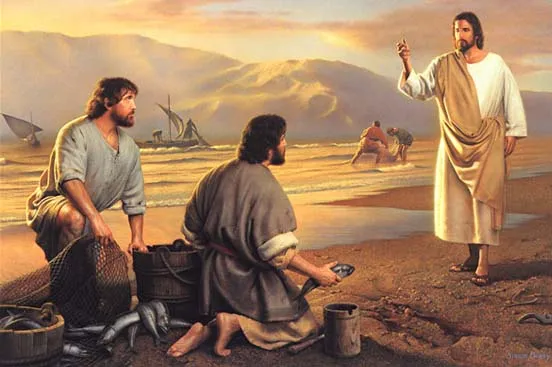
The readings for the Third Sunday after the Epiphany continue the theme of calling. Jesus, in the gospel, calls Simon and Andrew, James and John away from their fishing to follow him and they will “fish for people.” This reading certainly reminds us of our call in baptism, just as in the previous week’s reading we were called to “come and see.” So, our understanding of baptism grows: we follow, we see, and we catch others to experience Jesus.
It is worth noting that Jesus, as he begins his ministry after the arrest of John, continues John’s message: “Repent, for the kingdom of God has come near.” With these words, Jesus announces that God’s reign breaks into the cosmos and calls for a new way of existence.
Repent! A word we are used to hearing in Lent, this calls for a change of heart. I think of the words of the hymn, Here I Am, Lord: “I will break their hearts of stone; give them hearts for love alone.” In baptism, we are called into a love deeper than any love we have known in this world. It is a “love that will not let me go,” and a love beyond “all loves excelling.”
Saint Paul calls this love “the power of the cross of Christ.” This love is “foolishness to those who are perishing, but to us who are being saved it is the power of God.” Paul knows that the world values strength of arms and the power of wealth, but in Christ’s cross the world sees only poverty and weakness.
In our nation, we see the world’s values at work: Assaults on boats in the Caribbean that take life without trial; the invasion of a sovereign nation, including the deaths of dozens of individuals, celebrated as a show of our might; threats of similar force against neighbors and allies; and military-style surges in cities around the country leading to deaths and injuries to citizens, immigrants, and those who fled similar conditions in their homelands.
The message I hear from our government is one that celebrates military power, that blames those who are injured or killed for interfering with the desires of those with the weapons. I am reminded of the little boy who, when asked why he punched his sister, tells his parents that he was just swinging his arms and she got in the way.
The message of the cross stands not with those who bear the weapons of war but with the victims of violence and cruelty. It stands not with the abusers but with the victims. The cross is not a weapon to wield over others; instead, it calls on those who would follow to link arms with those who cannot defend themselves—the poor, the sick, the asylum-seeker, the homeless and hungry.
God will not stand with the arrogant who lord it over their subjects and demand loyalty. This was the message of Isaiah (9.1-4), who called out King Pekah for his failure to follow the ways of God and sought his own glory: for this, a part of the kingdom was taken from him by the Assyrian armies and thousands were carried into exile. It would take a new king, one who carried out God’s justice for the poor and oppressed, to bring about a return of peace to the people.
Still your children wander homeless; still the hungry cry for bread;
still the captives long for freedom; still in grief we mourn our dead.
As you, Lord, in deep compassion healed the sick and freed the soul,
by your spirit send your power to our world to make it whole. (ELW 712)
Related Posts